
Facts and how to prevent Ebola
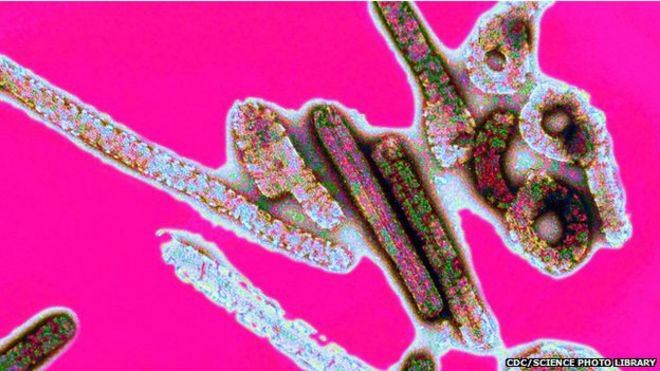 Ebola virus has killed thousands of people in West Africa and the recent labor from East Java Indonesia allegedly contracted after returning from Liberia.
Fortunately, the results of the medical examination showed two patients were not infected with the virus.
However, what exactly is Ebola? How big is the danger and how to prevent it? BBC summarizes some useful facts for you.
What is Ebola?
Ebola is a contagious disease that can be fatal. The Ebola virus is thought to have come from fruit bats and was first detected in 1976 near the Ebola River in the country of Congo.
How is it transmitted?
Ebola virus can be contracted through through blood, vomit, feces, and other body fluids from human to human Ebola sufferers. The virus can also be found in the urine and semen.
Infection occurs when the bodily fluids touching the mouth, nose, or open sores healthy people.
Direct contact to the mattress, clothes, or contaminated surfaces can also cause an infection - but this is only through open wounds of healthy people.
Not yet clear when this virus survive outside the body, but some evidence suggests the virus can survive up to six days. Bleach and chlorine can kill Ebola.
The disease is not transmitted through the air, like the flu. Once infected, the virus can take from two to 21 days to finally show symptoms.
What are the symptoms?
The initial symptoms are sudden fever, muscle aches, fatigue, headache, and sore throat.
This is followed by vomiting, diarrhea, rash and bleeding - internal and external - that can be seen on the gums, eyes, nose and in stool.
Patients tend to die of dehydration and organ failure.
How Ebola disease management?
No drug can certainly heal otherwise. Terminally ill patients need quickly restore fluid using intravenous fluids. They should be isolated from others and given intensive care by medical experts.
Experimental drugs like ZMapp also been used, but its effectiveness has not been proven.
Blood products of survivors is also being observed as a potential therapy.
The medical charity Medicine Sans Frontieres (MSF) said this outbreak came from the most aggressive and deadly strain of the virus.
Nurses in direct contact has special clothing to prevent transmission.
Is not known exactly what factors that allow some people recover from Ebola. But some experts believe early treatment is key.
How to avoid it?
Avoid contact with Ebola patients and their body fluids, WHO recommendations. Do not touch any of the items - like a towel - which could potentially contaminated in public places.
At the hospital, the nurse should wear gloves and protective gear, such as masks and wash their hands regularly.
WHO also warned against eating raw wild meat and contact with infected bats or monkeys and apes. Fruit bats in particular are considered a delicacy in the region where the outbreak began Guinea.
In March, Liberian health minister advised people to stop having sex, in addition to the existing advice not to shake hands or kiss. WHO said people can still transmit the virus through their semen for seven weeks after recovering from Ebola.
0 komentar for "Facts and how to prevent Ebola"
Leave a reply